The usage and reliance on AI
Think back even just five years ago. What did the word AI entail in 2021? Did many of us even think about the subject itself beyond sci-fi movies and the occasional news story about new home appliances? Our understanding of artificial intelligence has drastically changed over the course of just a few years compared to decades that we have already been aware of it. All of this is thanks to how rapid the development of AI has quickly become.
The general public quickly latched onto ChatGPT when it first began to gain popularity in early 2023. It was considered a fun utility to mess around with for a while and ask simple questions. Similar things were happening with image generators like DALL-E, which were used to create crude and rough-looking humorous images that were quickly spread around the internet. During this time, the concept of using AI in such a way was still a novelty; it was considered new and exciting.
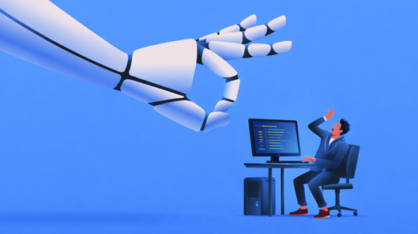
However, AI quickly became way more prominent and common, to the point where public opinion of it has been divided into negatives and positives. The usage of AI has raised tons of concerns, such as the ability to generate realistic videos or people relying on it too much without using their own ability to think and solve problems first, with the high risk of the chatbot giving you inaccurate answers anyway. Many also stress the use of water and rising costs of electricity.
The market bubble
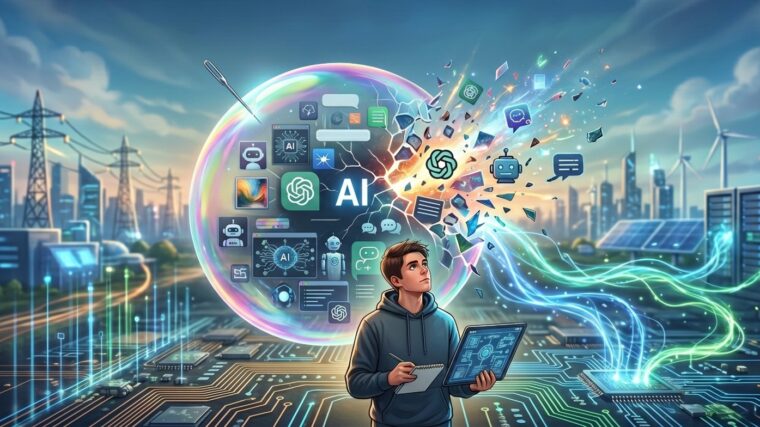
Lately, the warning signs for the lack of a sustainable future for AI models have become a very potential and real scare for these companies. OpenAI — the head company which owns ChatGPT — has been giving reports of their falling profits relating to the upkeep of their servers, and the popular video generator Sora has just recently removed its mobile app from public use. The lack of funding from the userbase themselves is partially to blame, since most of these tools are completely free to use.
Artificial intelligence tools get a lot of their funding from investors who have a belief that they will become beneficial and used in businesses all around the globe, which is the reason why every app and website seems to have integrated AI nowadays. In order to not start running on a loss, AI companies would need to lower their computing costs and most likely start to offer more pricing on their free models.
Where do we go from here?
No matter what our individual opinions on AI usage are in current times, the technology itself doesn’t show any signs of disappearing and the demand for these tools is still high, with millions of people using them every day and some even running their own chatbots with language models that they have trained.
Perhaps the current answer to AI isn’t to get rid of it completely, but rather to embrace it in a way that benefits the user but doesn’t completely replace human involvement. After all, AI can still be useful in many ways outside of the ways that we are currently used to, like in agriculture, health, and graphics. Ideally, in the future AI could collaborate alongside humans complementarily without the need for the former to replace the latter.