Learning Together Across Borders
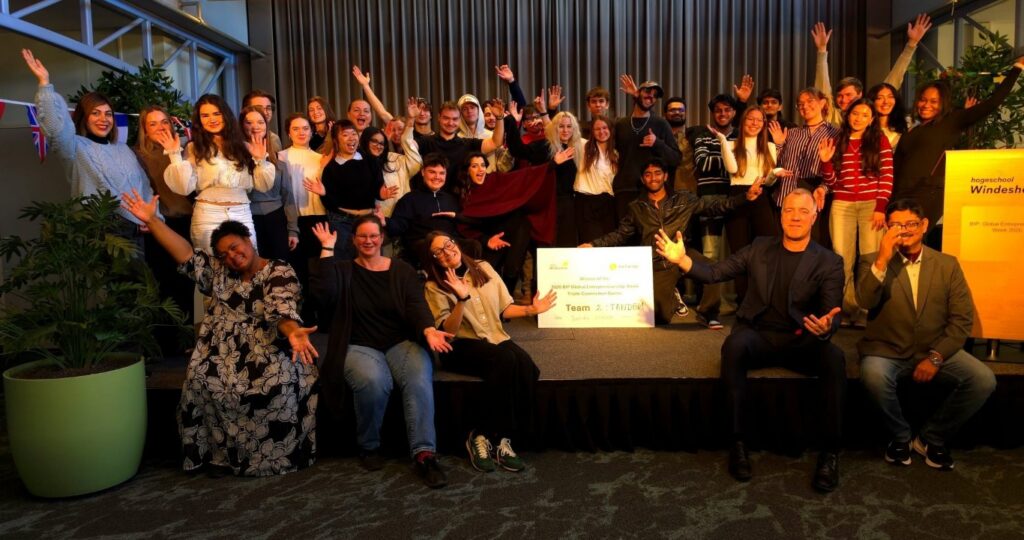
Windesheim University of Applied Sciences organized the Global Entrepreneurship -Blended Intensive Programme in Zwolle, the Netherlands. The programme brought together 36 students from Hochschule für Technik und Wirtschaft Dresden (Germany), CHRIST University in Bangalore (India), Vaasa University of Applied Sciences (Finland), Metropolitan University Prague (Czech Republic), Thomas More University of Applied Sciences (Belgium) and TH OWL in Lemgo (Germany).
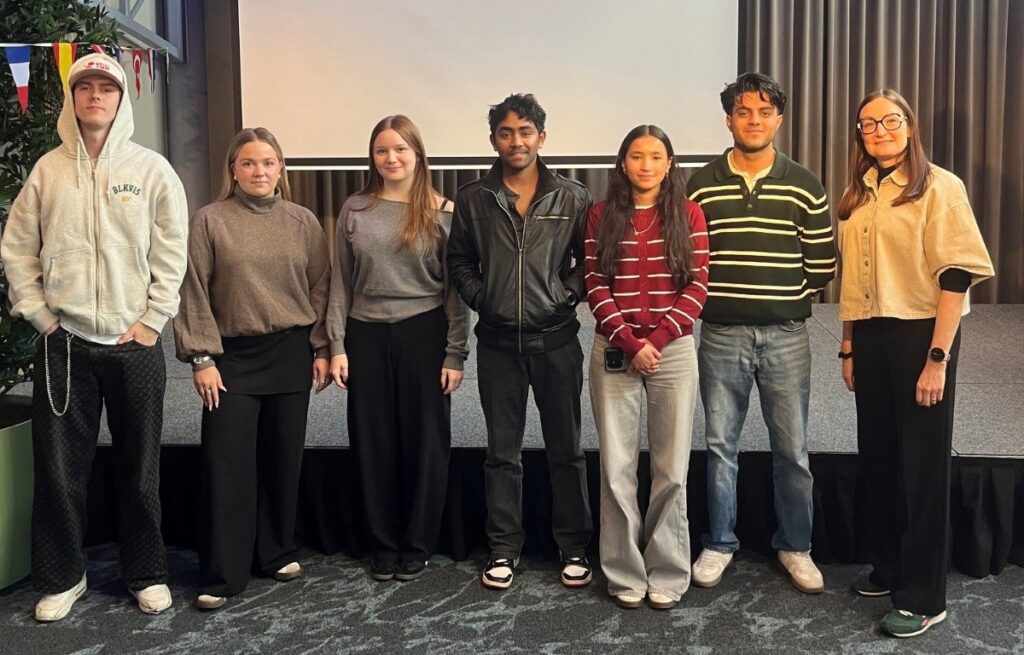
Six students from Vaasa University of Applied Sciences (VAMK) took part in the programme: Khursid Alam, Zaid Naseem, Sujita Karki, Julia Paloluoto, Emma Poikselkä and Kristian Mattinen.
How Team Building Helped Students Work Together
The programme combined an online learning week with an intensive week in Zwolle. Students developed their business skills through simulation, workshops and a company challenge, working in international teams.
As a teacher accompanying the VAMK students, I was particularly interested in how students from different countries and backgrounds would work together. What struck me was how much time the organizers devoted to team building before the more demanding business activities began. From what the students told me afterwards, that time was well spent.
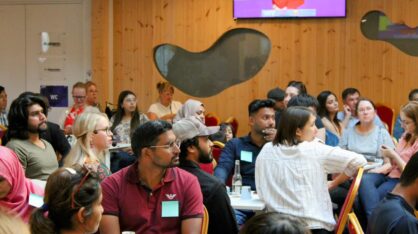
“The icebreakers were great. They helped us understand each other’s strengths and weaknesses and how to work together as a team,” Khursid said. “It was great to notice how the five different personalities in our group complemented one another,” Zaid added.
Running a Company – The Triple Connection Simulation
One of the central activities was The Triple Connection, a business simulation hosted by Inchange. The simulation is also used in corporate training. Students took on roles such as CEO, finance manager and supply chain manager and made decisions that affected the performance of their chocolate drink factory.
The simulation showed students how difficult it was to succeed when each function worked in isolation. A decision in one area could affect the whole business, so team members had to share information, negotiate and consider the consequences together.
The simulation was a hit with the students. “I actually got to use the theory I’ve studied. The simulation felt very real,” Julia explained. Emma said she found it interesting to see how different business functions were connected and how much a single decision could affect all functions.
For Kristian, the game was one of the highlights of the programme. “The game was excellent. It wasn’t too difficult, but it was challenging enough to keep us interested all the time,” he said.
From the Classroom to a Real Business Challenge
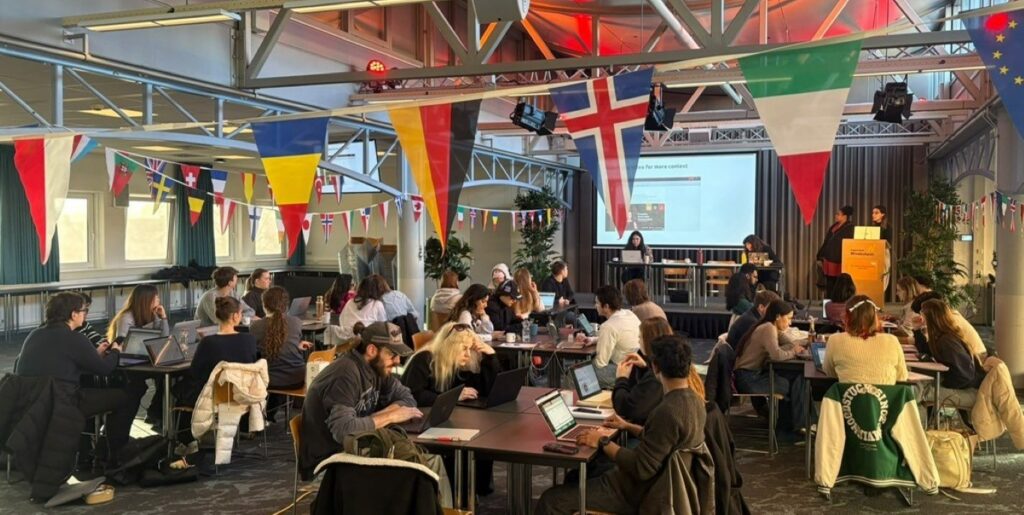
One day we visited PEC Zwolle’s football stadium, where Kennispoort Regio Zwolle introduced its services for local entrepreneurs. Comfeur then presented its products and asked the students to explore how the company could expand into new markets. Working in international teams, the students used the Business Model Canvas (BMC) to develop their ideas and presented their suggestions directly to the company owner.
The day ended with a session on effective pitching. Students then had a short time to prepare and deliver their own one-minute pitches. The tight deadline made for some fun and creative presentations.
What Students Took Away
When I interviewed all six VAMK students afterwards, they spoke about the people they met, new international friends, the challenges they worked through together and what they discovered about themselves and their roles in teams.
“I was able to take myself outside of my comfort zone and I feel a bit more confident now,” Sujita said. Khursid said that working with his team helped him realize he had more to contribute than he had initially thought. All students would definitely join BIP experience again given the chance and would recommend it to all students.